Essay
What is pH? The right pH for soil life and common crops
One number decides whether plants can take up nutrients and whether microbes can live. Understand the pH scale and the range each type prefers.
Listen to the soil · Know the soil · Know yourself · Walk alongside living things
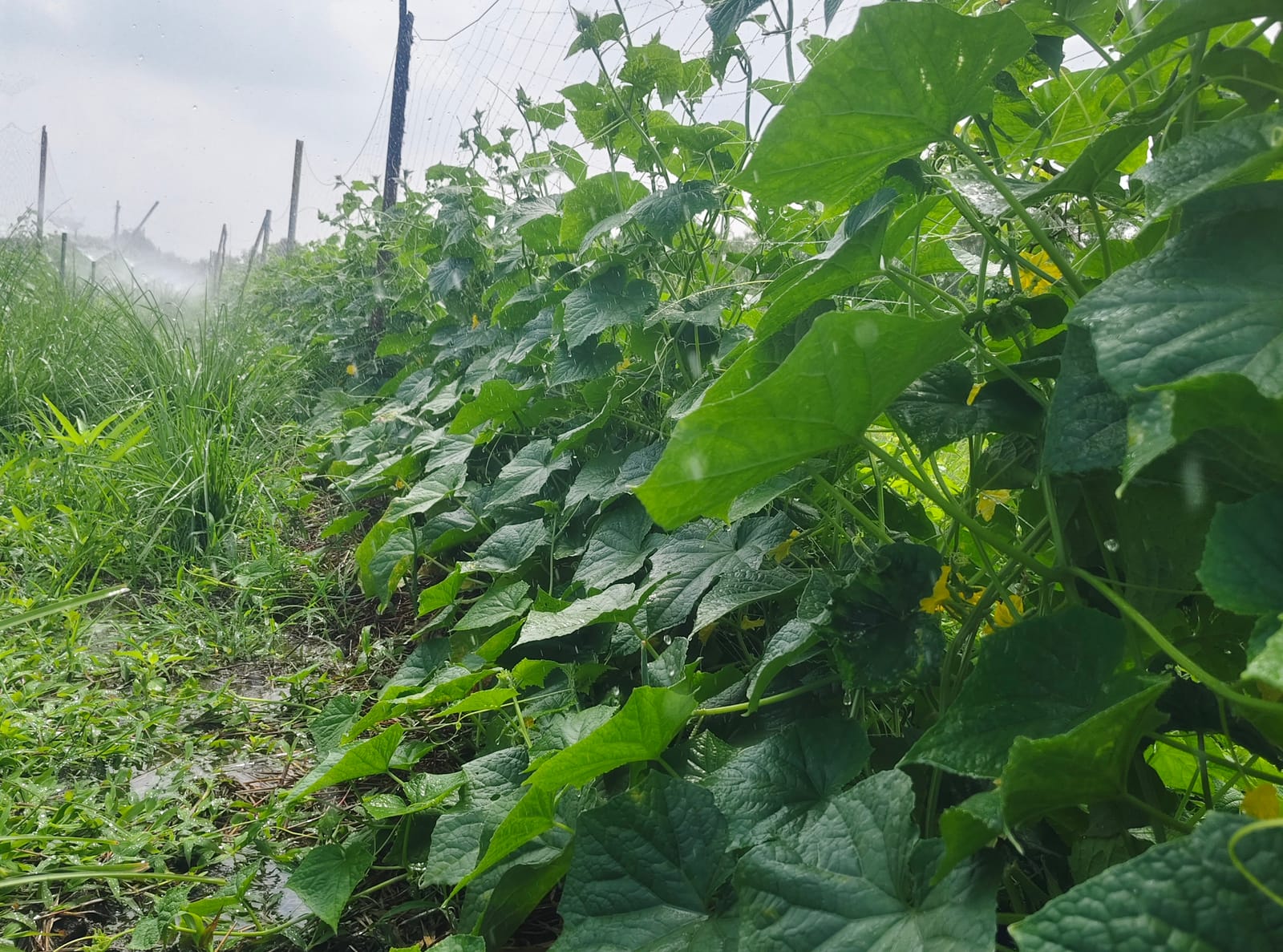
Thirty months, one abandoned patch of acid sulfate land, and a question: if this ground could be unblocked, could I be too?
Mission & vision
Soil is not something to conquer. It is something to listen to.
Our mission is to restore ground written off as dead — acid sulfate soil, exhausted soil, degraded soil — by finding and treating the root cause, instead of chasing solutions that only patch the surface.
We do not arrive to impose a formula on the land. We arrive to observe before we act, to unblock rather than force, to clear away whatever is holding back the flow of water, of air, of the microbial life already present in every handful of soil.
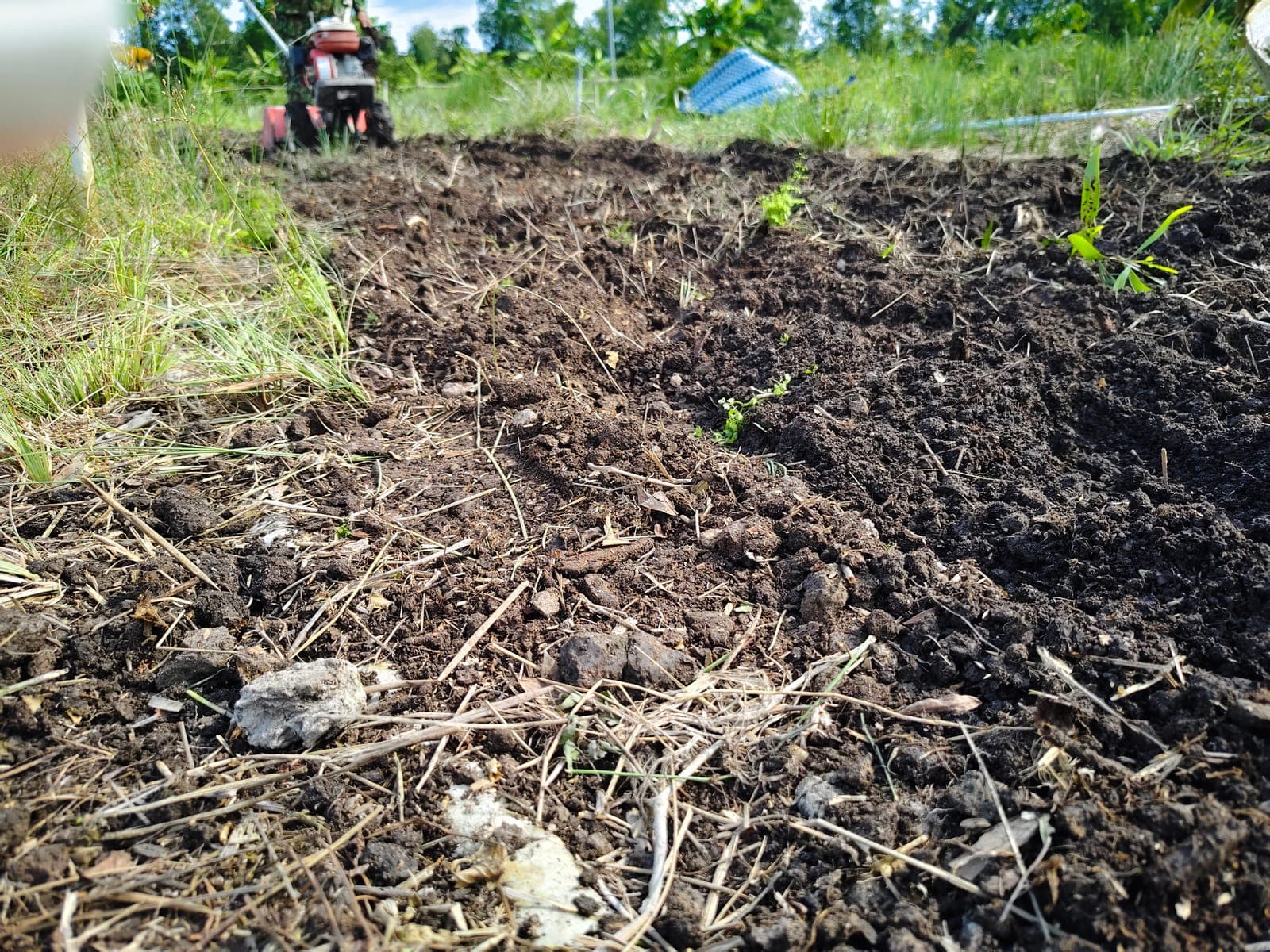
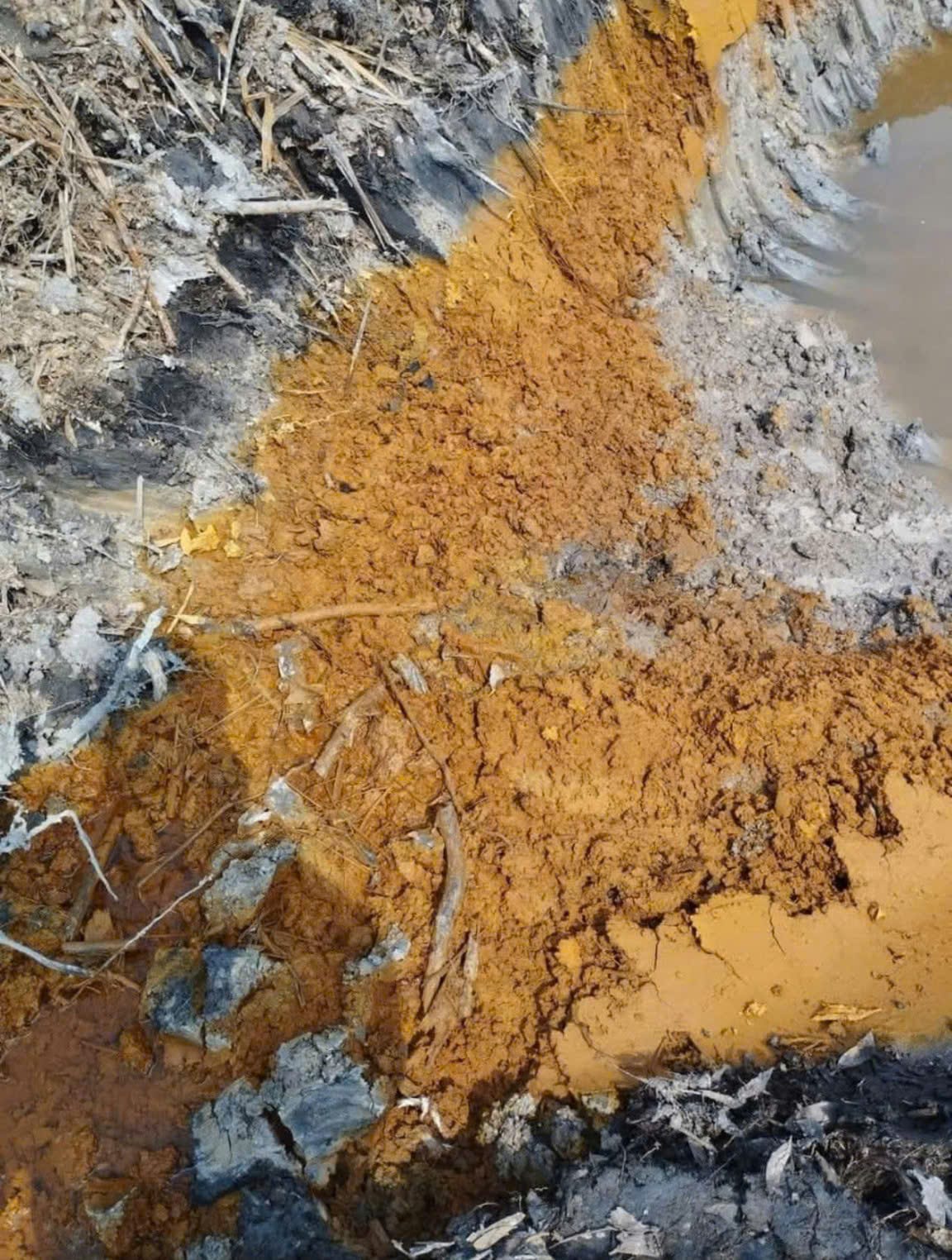
From two hectares of acid sulfate soil in the Plain of Reeds, where soil pH was brought from 2.5–3.0 up to around 6–6.5 over thirty patient months — not by magic, but by water, organic matter, microbial life and time — we carry the mission of extending this method to farmers, organisations and land still waiting to come back to life.
We publish what worked and what didn't, because truth is the only ground a long mission can stand on.
We picture a future where acid sulfate soil is no longer a life sentence, but an opportunity.
Where every degraded piece of land can recover its own capacity to heal, if people are patient enough to observe and humble enough to walk alongside it instead of controlling it.
Where a network of soil shepherds — farmers, scientists, businesses, a younger generation looking for meaning in their work — build together a way of farming that doesn't trade the future for this season's yield.
And further still, we picture a day when what we learned from the acid sulfate soil of the Plain of Reeds becomes a protocol we can hand on — to saline land, to exhausted land elsewhere, to people who have never met us but can still kneel down, put a hand in the soil, and begin their own journey of listening.
The final measure of that vision is not how many hectares were restored, but how many people learned to listen to the soil — and can carry that journey on without needing us anymore.
Listen to the soil to understand life.
Understand the soil to understand ourselves.
Walk alongside life, and build together a future that is more harmonious, more sustainable, and better.
Writing and podcast
Essay
One number decides whether plants can take up nutrients and whether microbes can live. Understand the pH scale and the range each type prefers.
Essay
Acid soil fears sourness, but soil limed too heavily is ruined in a different way. The signs and consequences worth knowing.
Essay
What lime can and cannot do for acid sulfate soil. Understand its real role and you know when to use it and when not to expect too much of it.
Thirty months
There was no breakthrough moment. Just four stages back to back, each one solving exactly the problem the last one left behind.
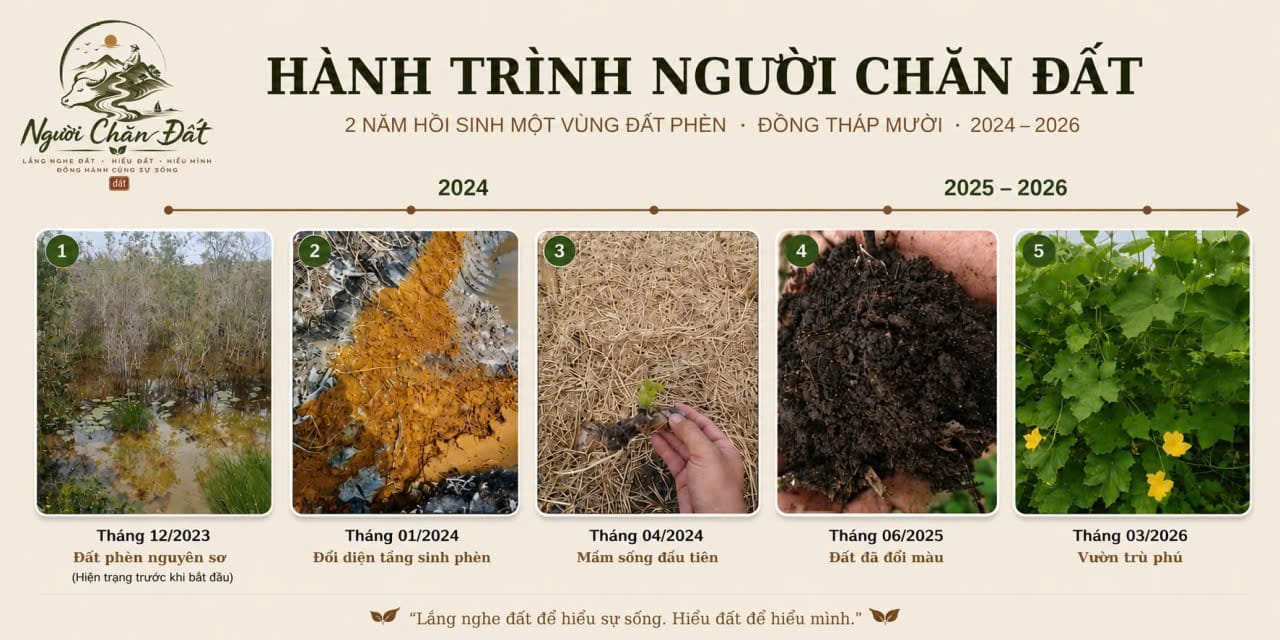
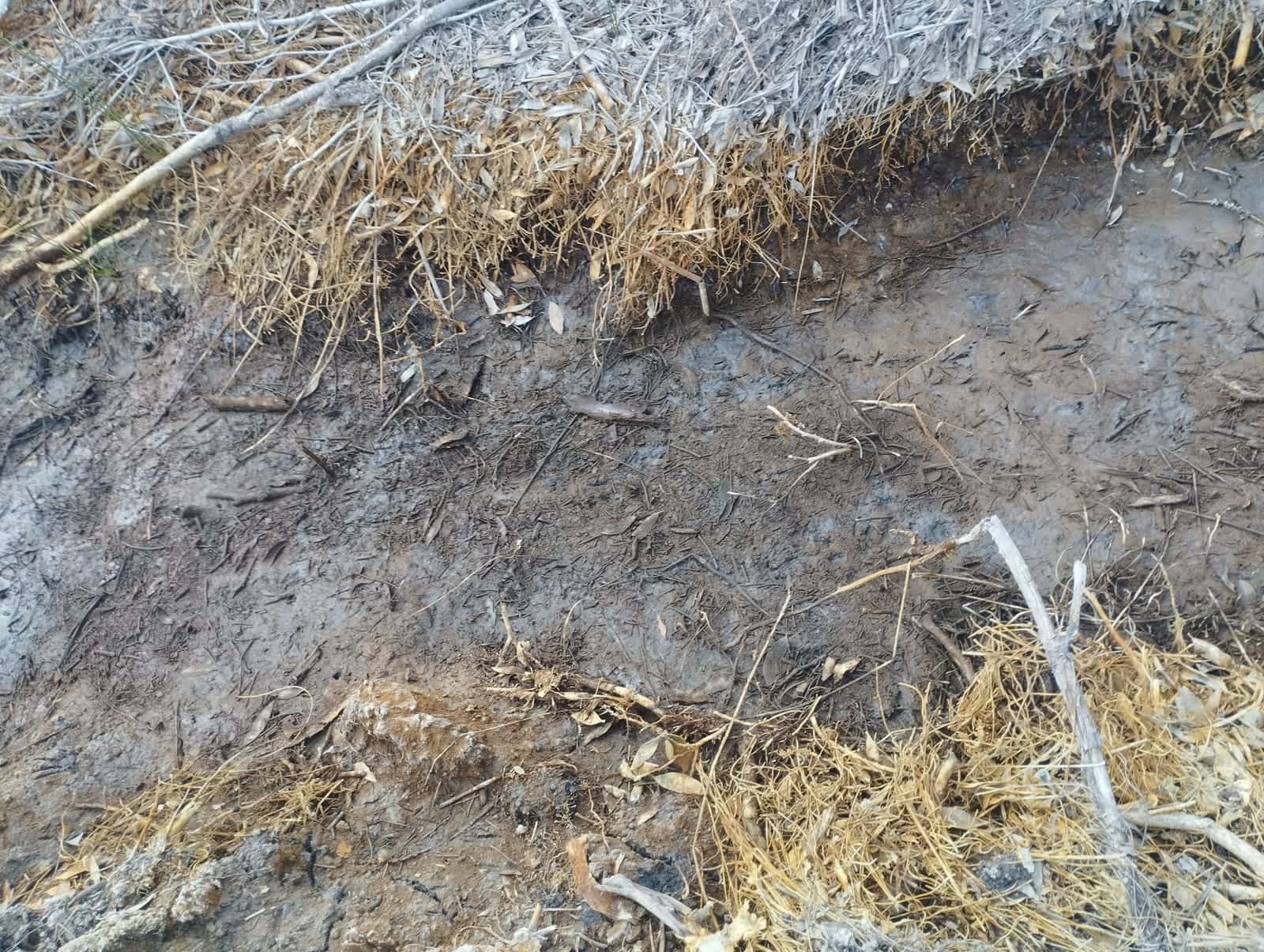
Stage 1 · Dec 2023 – Feb 2024
Core infrastructure in place. Localised waterlogging dropped noticeably and the subsoil began to stabilise.
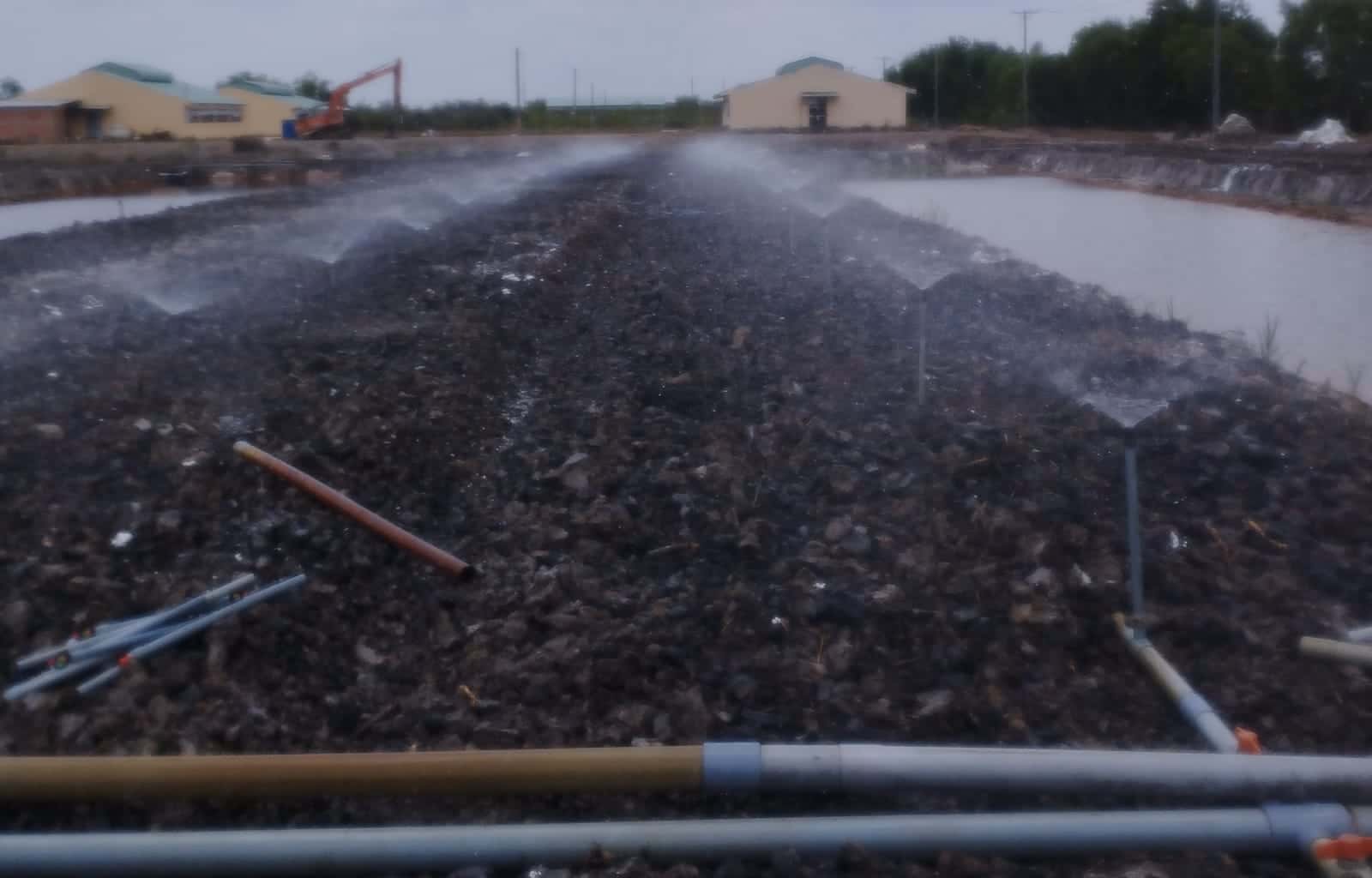
Stage 2 · Mar–Dec 2024
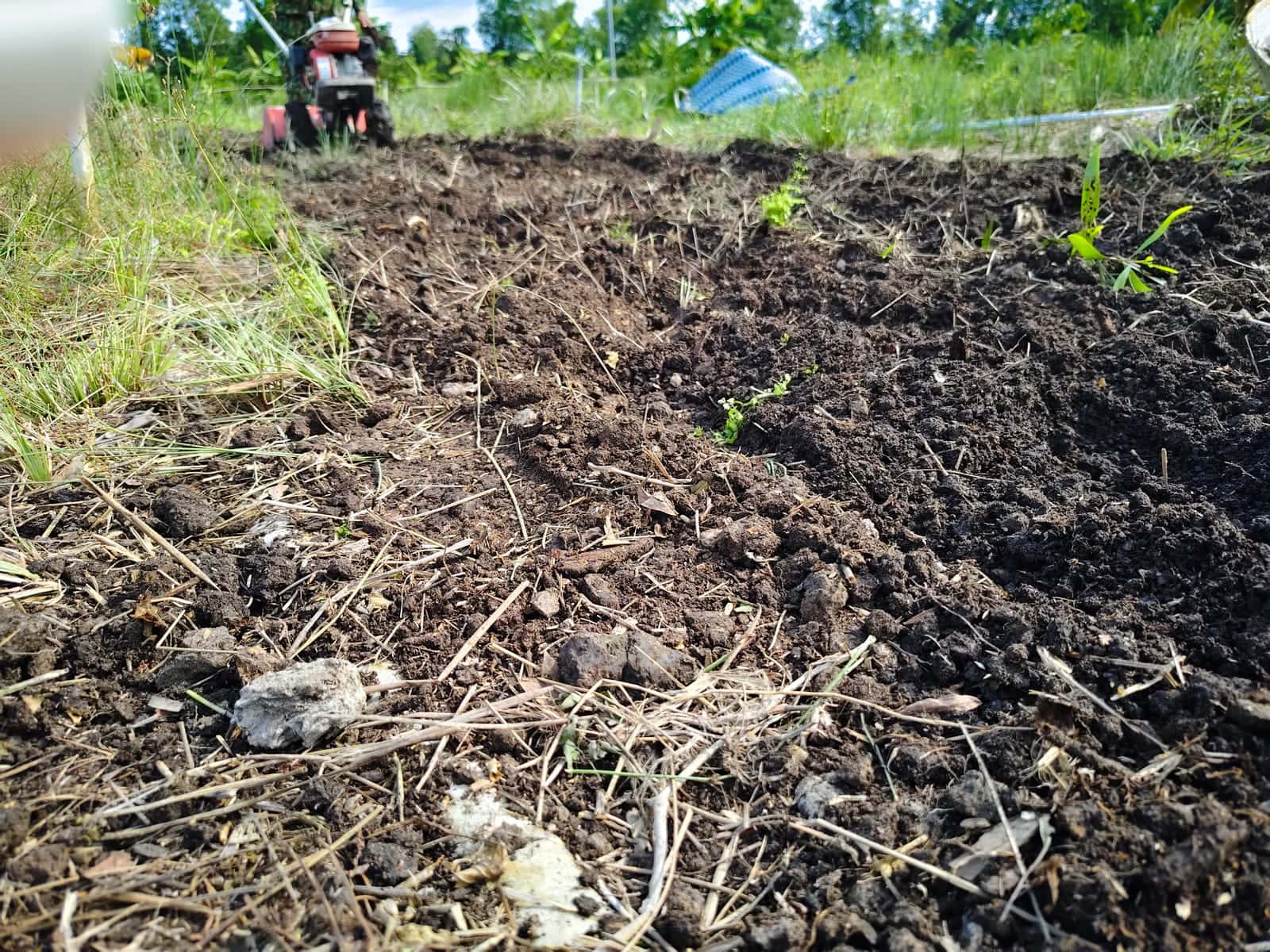
Soil turned darker, looser and better at holding moisture. Beneficial microorganisms began to appear.
Stage 3 · Jan–Dec 2025
Almost a total loss, with only the first batch of green papaya sold in time. But earthworms and beneficial insects had increased markedly, and the infrastructure held where it mattered: no bank collapse, no bed erosion. Once the water drained, planting could start again without rebuilding anything.
Stage 4 · Jan–Jun 2026
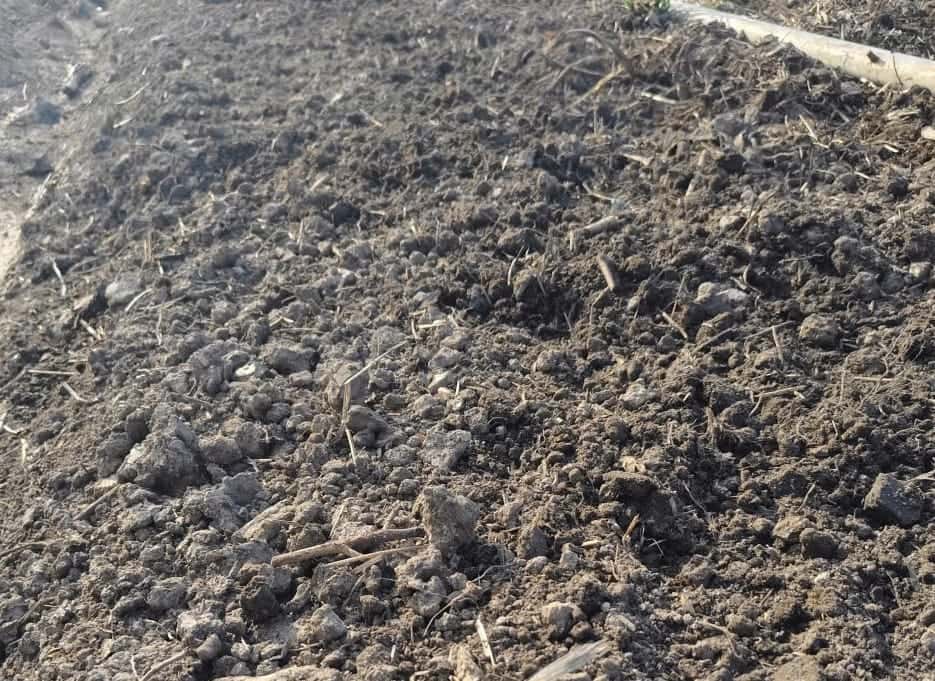
Harvested 2,750 kg of produce — the first profitable crop since remediation began.
The work of shepherding soil
Acid soil is not dead. It is obstructed. Force it and you ruin it — you open it up slowly, in the right order, and then you wait. People are the same.
Whenever there is a new piece, a new podcast episode, or a failure worth reporting from the field, I write it down. No advertising, and the list is never sold.