01
The first time, I lost everything
Before this piece of land, I opened a café that doubled as an ornamental plant nursery. I believed in it. I put everything I had into it.
It failed. Not the slow kind of failure that gives you time to manoeuvre, but the kind where nothing is left. The only thing I still had was a lesson — and at the time I did not yet know what the lesson was.
02
They called it dead ground
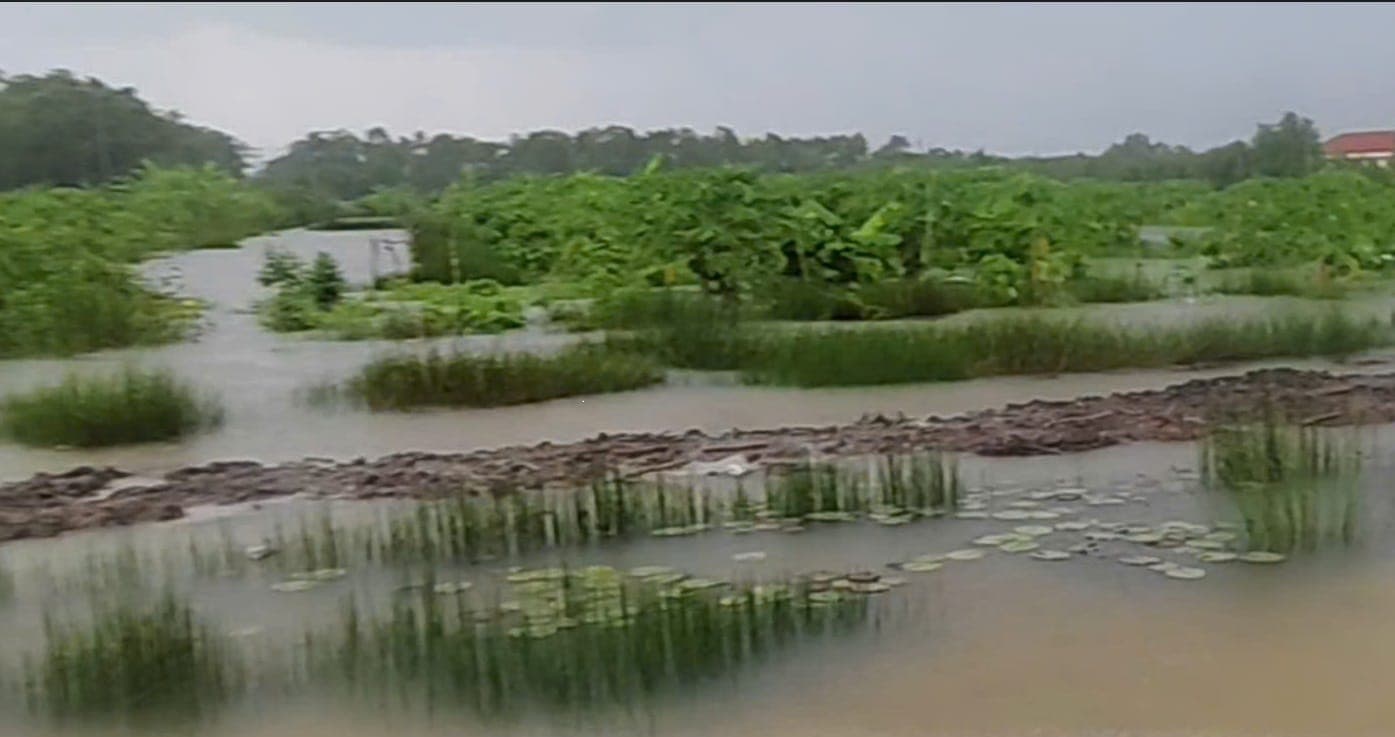
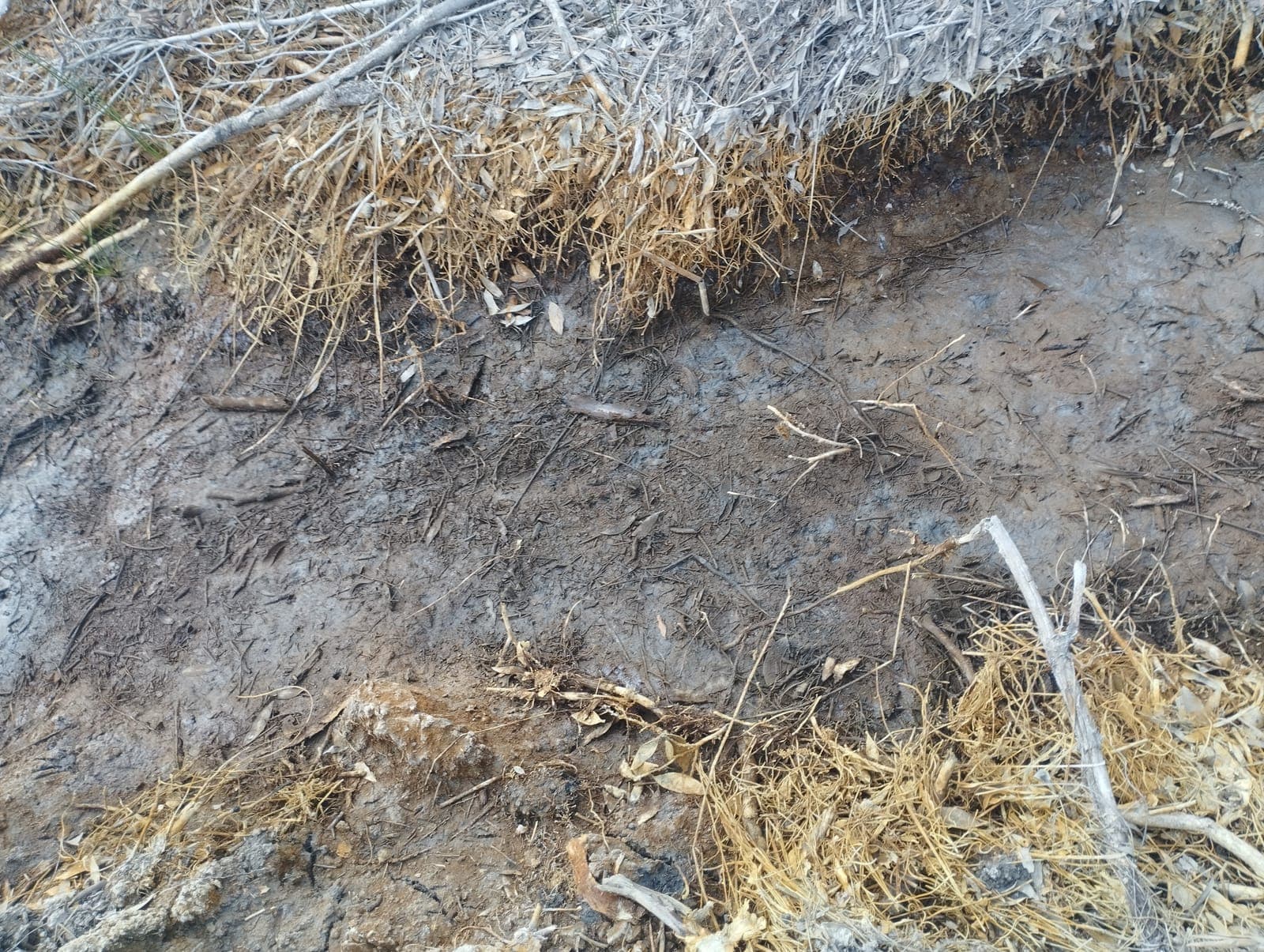
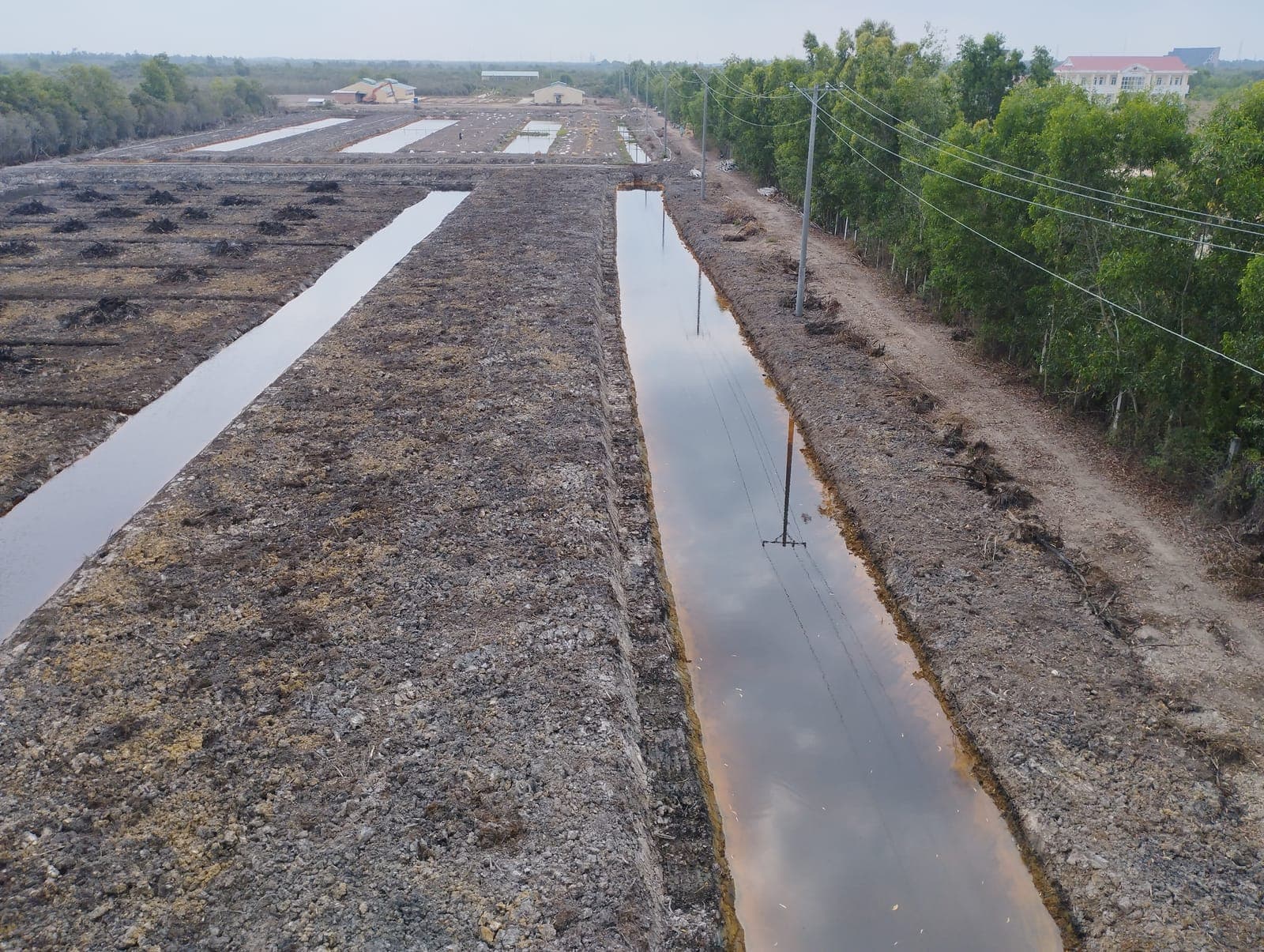
Then I took on the job of reclaiming a badly acidic patch of land where I work. It had lain abandoned for years because nothing would grow on it. Active acid sulfate soil, pH measured at 2.5. The water in the ditches ran the colour of rust.
I had no capital, no experience reclaiming acid sulfate soil, and no one to guarantee it would work. What I did have was a childhood spent helping my family farm.
In December 2023 I brought the machines in to clear the land. The café was still trading then — I did not shut it down to throw myself at this ground. Through 2024 I ran both: the café kept going until December 2024, while out in the field the beds were up and the biomass crops had taken root.
What kept me going was not a business plan. My father died leaving dreams unfinished. I took on this piece of land to finish the work he did not get to do.
03
Blocked soil, stuck man
Acid soil is not dead. It is obstructed. Force it and you ruin it — you open it up slowly, in the right order, and then you wait.
Through that first year on the acid land, I was still in a conqueror's frame of mind. If the ground resisted, I pushed; if pushing failed, I pushed harder. I treated the land as an opponent to be subdued.
Then everything collapsed. Only when there was nothing left to push against did I stop and start looking and listening: where the water ran, where the acid rose, which plants survived, where the first earthworms came back. The idea of shepherding soil grew out of that moment — not when I was at my strongest, but when I had run out of ways to force it.
Blocked acid soil is the same. It is not dead. It is obstructed. And the way to treat it is not to force it along — forcing ruins it. You open it up slowly, in the right order, and then you wait.
Unblocking that ground was also unblocking myself. I do not say that because it sounds good. I say it because across those thirty months, both things happened at once.
04
The work of shepherding soil
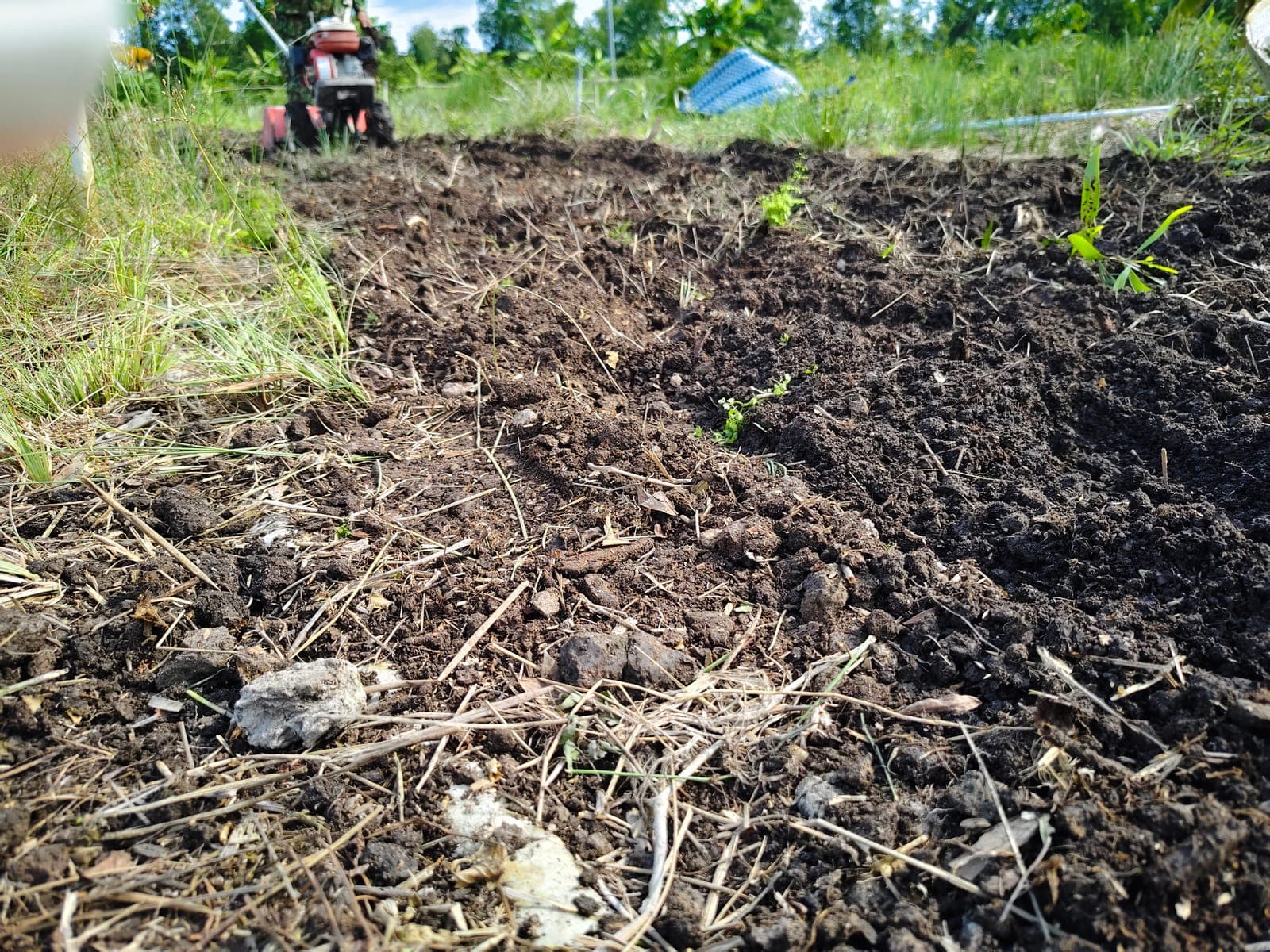
From then on I called what I do the work of shepherding soil. Shepherding, not extracting. A shepherd walks with the herd, knows which animal is weak, knows when to stop. An extractor only calculates how much can be taken before there is nothing left.
Soil is a living thing. It has microorganisms, worms, structure, and a memory of everything poured into it. Treat it as a resource to be wrung dry and it does run dry — which is precisely why this land was abandoned in the first place.
05
What comes next
Thirty months produced one number: 2,750 kg of produce, and a crop that turned a profit. It is not a large number. But it proves the thing that needed proving: this method works, on ground people had already given up on.
What comes next is handing it over. The entire low-cost remediation method is being recorded in full, along with every place I got it wrong. The results and lessons are published openly; the detailed method I hand over in person, through the course and field mentoring, to anyone who wants to follow it.