
Essay
What is pH? The right pH for soil life and common crops
One number decides whether plants can take up nutrients and whether microbes can live. Understand the pH scale and the range each type prefers.
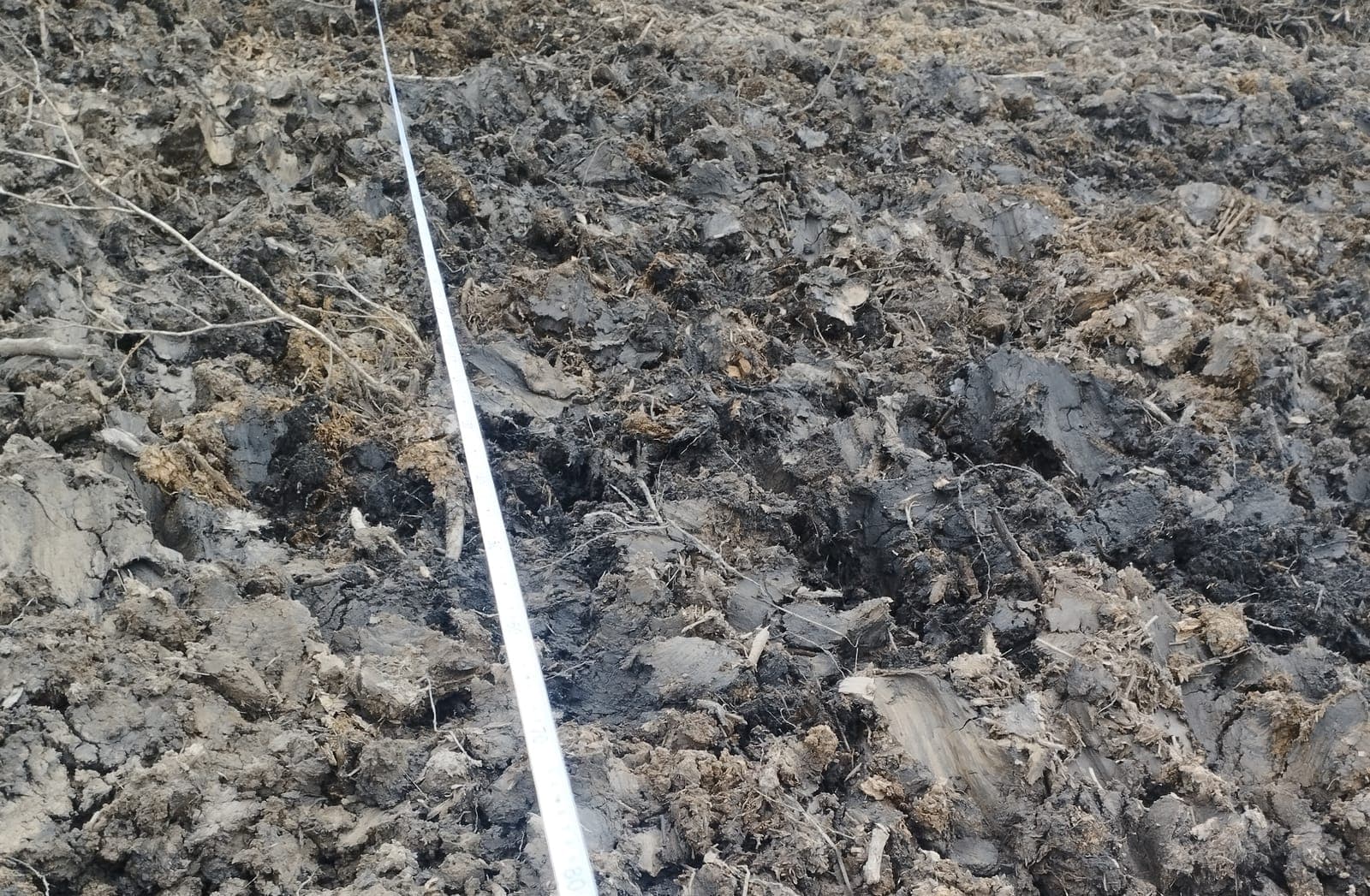
There is one number that many people never measure, and yet they go on to fertilise, lime and buy seed on land they do not understand. That number is pH. Measuring wrongly, or not at all, is the costliest way to farm on acid sulfate soil, because every later decision rests on a guess.
The pH ranges below are common reference values, not absolute rules. Variety, soil type and local conditions can differ. Measure your own soil and compare.
Q: What is pH?
A: pH measures how acidic or alkaline something is, on a scale of 0 to 14. Below 7 is acidic, 7 is neutral, above 7 is alkaline. The scale is logarithmic, so each step is tenfold: pH 3 soil is ten times more acidic than pH 4 and a hundred times more than pH 5.
Q: Why does pH matter to plants?
A: Because it decides whether plants can reach nutrients at all. Too acidic and iron and aluminium dissolve to toxic levels while phosphorus, calcium and magnesium run short. Too alkaline and iron, zinc, manganese and boron get locked up. The middle, slightly acidic to neutral, is where most nutrients are most available.
Q: What pH lets soil microbes thrive?
A: In general, beneficial bacteria work best at about pH 6 to 7.5. Fungi tolerate sourness better and are usually fine at around pH 4.5 to 6.5. Below roughly pH 5.5, many beneficial groups, such as those that convert nitrogen, work poorly; below 4 mostly acid-lovers remain. Bringing pH to around 6 to 6.5 therefore sits in a favourable zone for both soil life and most crops.
Q: What pH suits some common crops?
A: Commonly cited reference ranges: cucumber about 5.5 to 7; okra about 6 to 7; bitter melon, gourds and luffa about 6 to 7; tomato about 6 to 6.8; lettuce about 6 to 7; papaya about 6 to 6.5; banana about 5.5 to 7; cassava about 5.5 to 6.5 and fairly acid-tolerant; pineapple likes acid, about 4.5 to 6.
Q: Why can pineapple and cassava live on still-sour soil?
A: Because they tolerate sourness better than vegetables. That is why acid sulfate land is often planted to pineapple or cassava before anyone dares grow commercial vegetables. Vegetables are far more sensitive to pH.
Q: How do I measure soil pH?
A: You can use pH paper, a pH pen or a test kit. Sample several points and depths, mix them, measure in distilled water or as the instrument directs, and re-measure over time. A single reading does not represent a whole plot.
Q: My soil pH is low. What do I do first?
A: Do not rush to raise pH at any cost. Find out why it is sour, control the water, and raise it in small steps, re-measuring after each. See also the two pieces on the role of lime and the mistakes of over-liming.
On my land, pH went from 2.5–3.0 to around 6–6.5 over 30 months, which is also the favourable range for most vegetables and soil life. The number matters, but how you get there, step by step and with patience, matters more.
The "Low-cost acid sulfate soil remediation" course is coming soon: the whole 30-month method, including the places I got it wrong, with field follow-up on your own land. Leave your email on the Products page and you will hear first when enrolment opens.
Want to know what your land really needs before you spend another đồng? Book a Land Assessment: an on-site survey, pH and salinity readings, and a report with recommendations for your own plot. Use the Contact section of the website, tell us where the land is and what is going wrong, and we will answer with specific figures instead of generalities.
- #hoi-dap
- #dat-phen
- #ph