
Essay
Mistakes of over-liming: questions and answers
Acid soil fears sourness, but soil limed too heavily is ruined in a different way. The signs and consequences worth knowing.
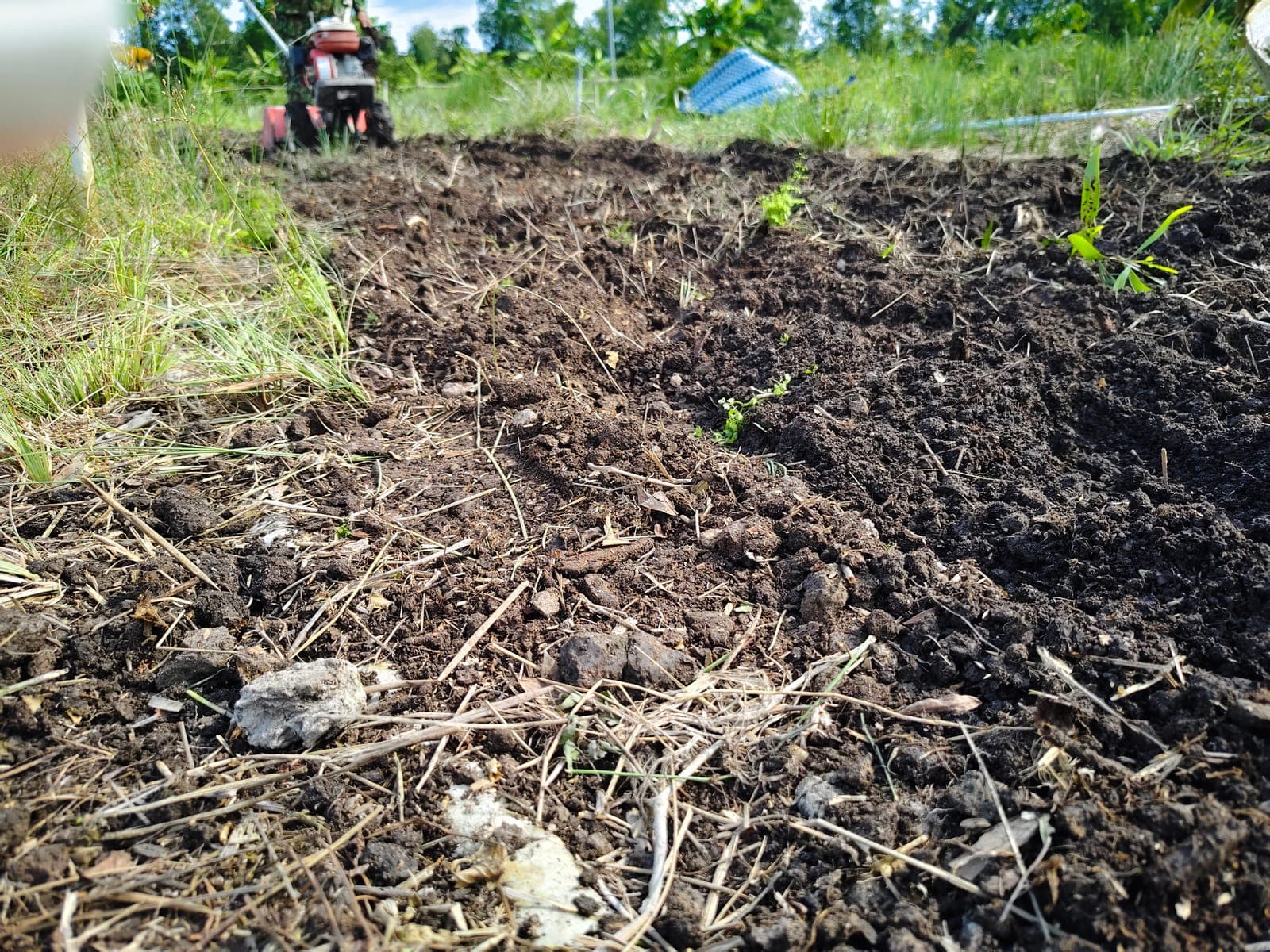
Adding more lime to be safe is one of the costliest mistakes in reclaiming acid sulfate soil. Beyond the money for lime, the soil can be spoiled in a different way, and the crop can still yellow even though the soil is no longer sour. These are the signs to spot early, before the mistake becomes a habit.
Many people think more lime is the safe bet. In reality soil needs a moderate level, and going beyond it does harm. This piece stays at the level of principle and gives no specific rates.
Q: What happens to soil that is over-limed?
A: pH is pushed far too high and the soil turns alkaline. At that level many trace nutrients such as iron, zinc, manganese and boron get locked up, so plants stand in soil they cannot draw from. Leaves often yellow and growth stunts even though the soil is no longer sour.
Q: Why does too much lime leave plants short of phosphorus?
A: With too much calcium, phosphorus binds with it into a form plants can hardly use. That is why growers add phosphorus fertiliser and the crop still goes short.
Q: Does over-liming affect soil structure?
A: Yes. A heavy dump, uneven spreading or leaving lime in clumps can harden the soil and form a crust that roots struggle to penetrate. Lime should be mixed in evenly, not laid thickly on the surface.
Q: Is over-liming bad for soil microbes?
A: Yes. Each group of microbes has a preferred pH range. Raising pH abruptly or too far shocks the soil life that has only just recovered, and part of the effort spent nurturing the soil can be lost.
Q: Is nitrogen fertiliser affected?
A: At high pH some forms of nitrogen are easily lost as ammonia gas. Applying nitrogen on heavily limed soil is both wasteful and less effective.
Q: How do I avoid overdoing it?
A: Measure pH first, split the work into several passes instead of one heavy dose, mix evenly, measure again after each pass and give the soil time to react. The goal is to bring pH into the range plants and microbes like, not as high as possible.
Q: What if I have already overdone it?
A: Do not add anything in a panic. Re-measure pH, stop the lime, increase organic matter, which helps buffer pH, and watch the plants. If unsure, ask someone experienced or your local agricultural extension service.
The general lesson: with acid sulfate soil, measuring first and working in small steps is always cheaper than correcting an overdose afterwards.
The "Low-cost acid sulfate soil remediation" course is coming soon: the whole 30-month method, including the places I got it wrong, with field follow-up on your own land. Leave your email on the Products page and you will hear first when enrolment opens.
Want to know what your land really needs before you spend another đồng? Book a Land Assessment: an on-site survey, pH and salinity readings, and a report with recommendations for your own plot. Use the Contact section of the website, tell us where the land is and what is going wrong, and we will answer with specific figures instead of generalities.
- #hoi-dap
- #dat-phen
- #voi