
Capability
Capability and delivery record
The four remediation stages as case studies: what was done, what it produced, with photographs taken at the time.
Stage 1 · Dec 2023 – Feb 2024
Infrastructure and subsoil remediation
What was done
Digging ponds, raising planting beds, building the irrigation and drainage system, constructing perimeter dykes, tilling and liming to reduce acidity.
Measured outcome
Core infrastructure in place. Localised waterlogging dropped noticeably and the subsoil began to stabilise.
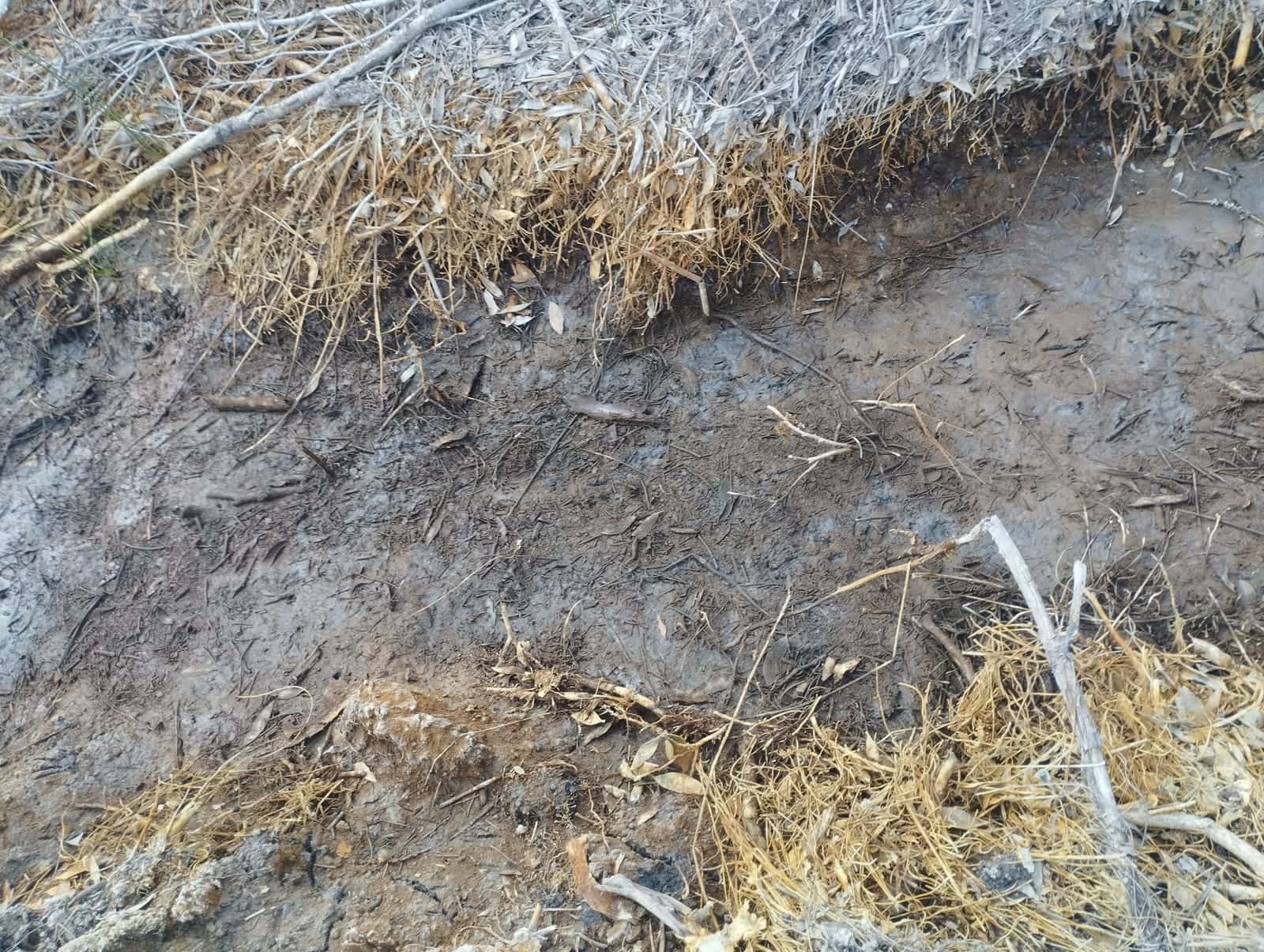
The acid sulfate land as we found it 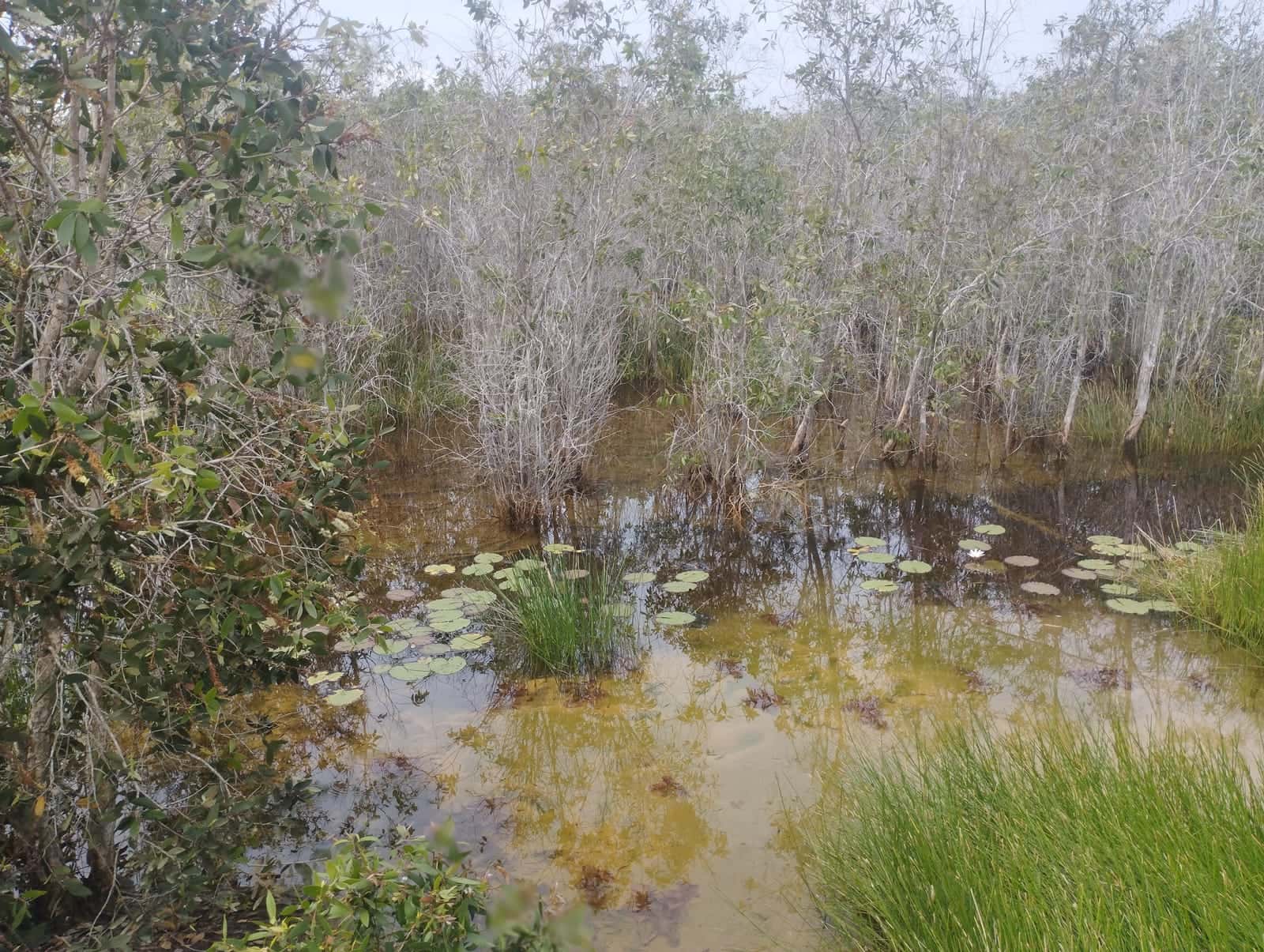
Waterlogged conditions 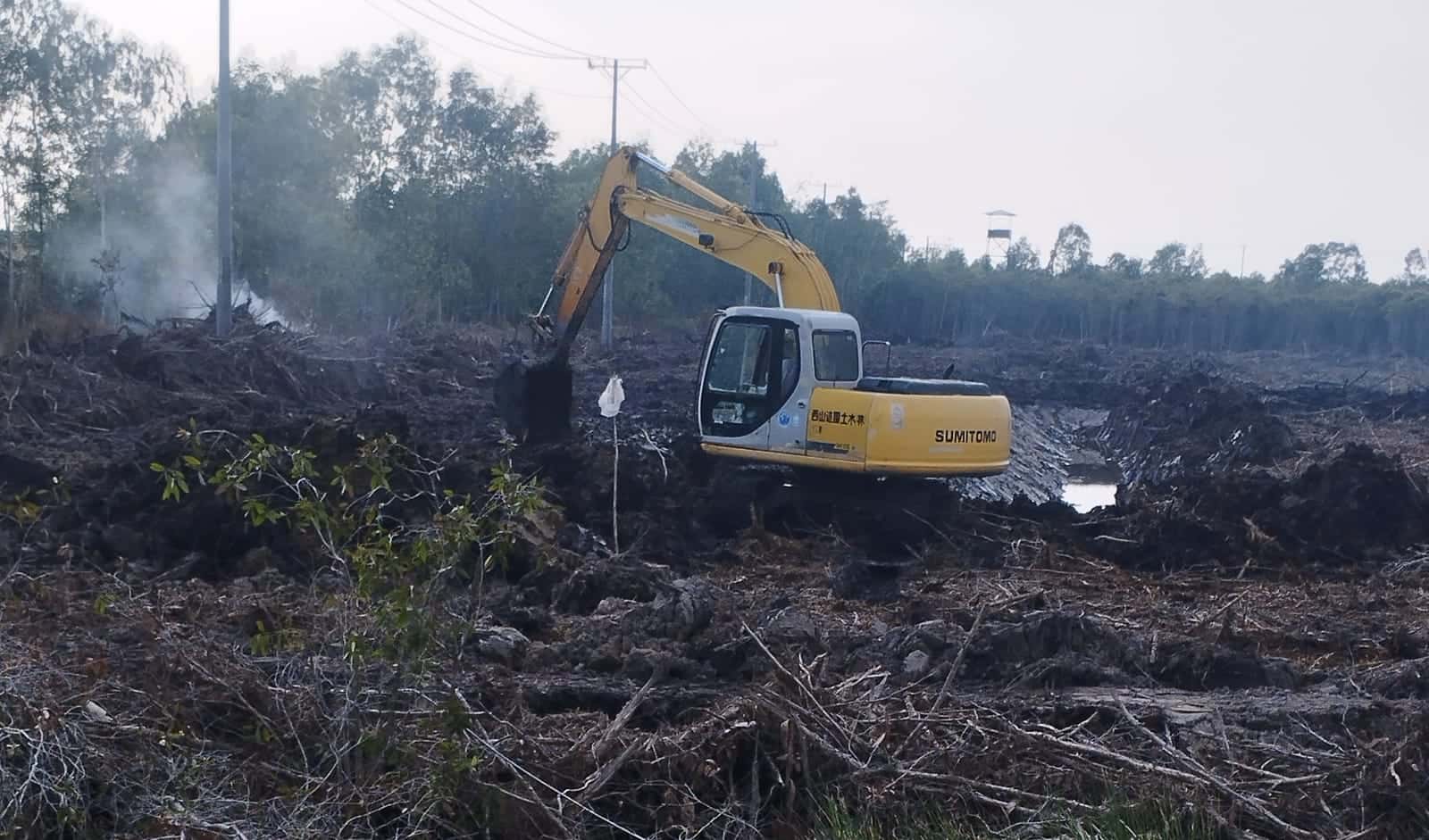
Starting to raise the beds
Stage 2 · Mar–Dec 2024
Biomass growth and organic matter build-up
What was done
Straw mulching, planting banana and grasses for biomass, growing pineapple, cassava and legumes, adding compost and microbial inoculants, trialling short-cycle vegetables.
Measured outcome
Soil turned darker, looser and better at holding moisture. Beneficial microorganisms began to appear.
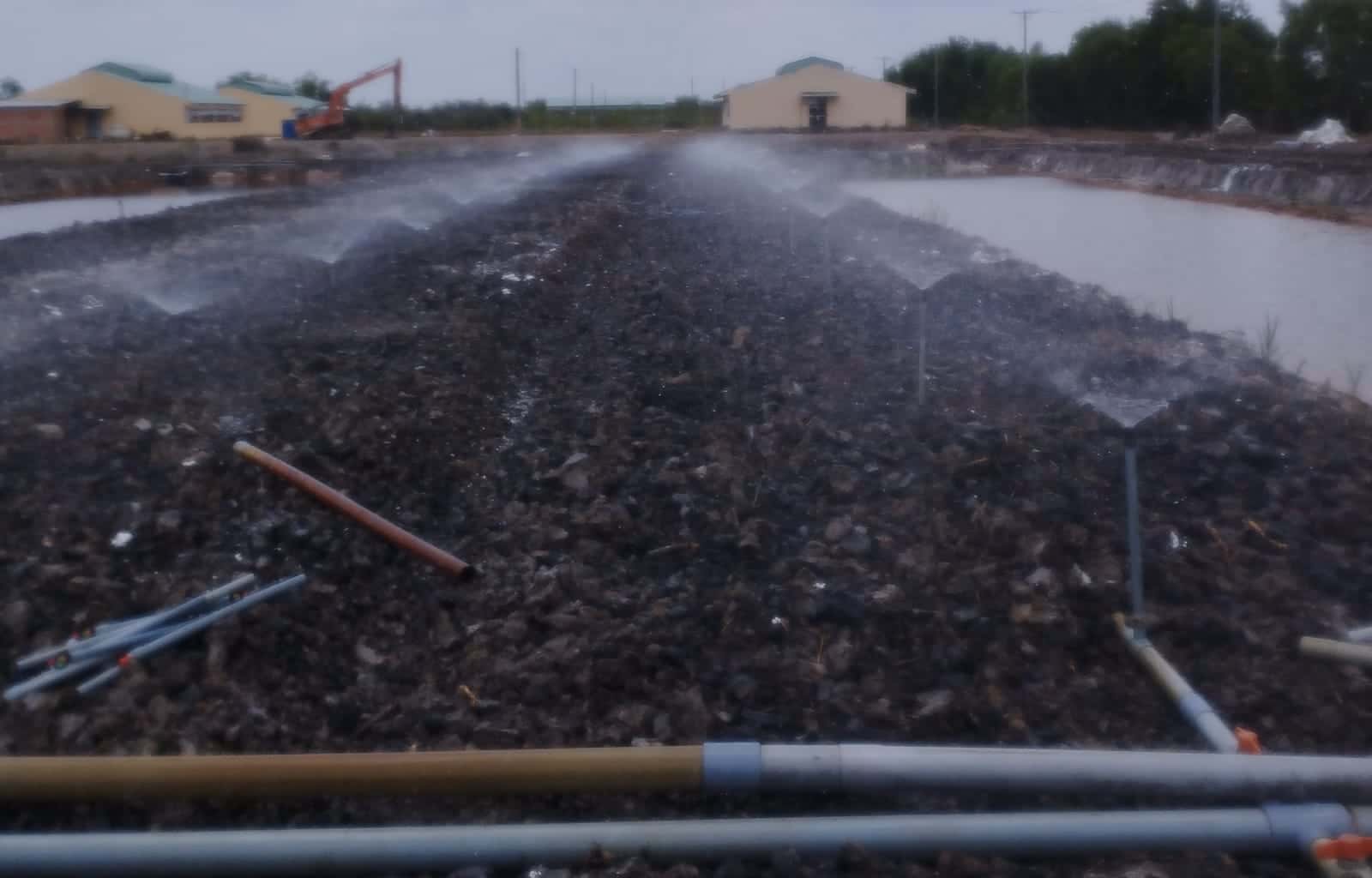
Building the irrigation system 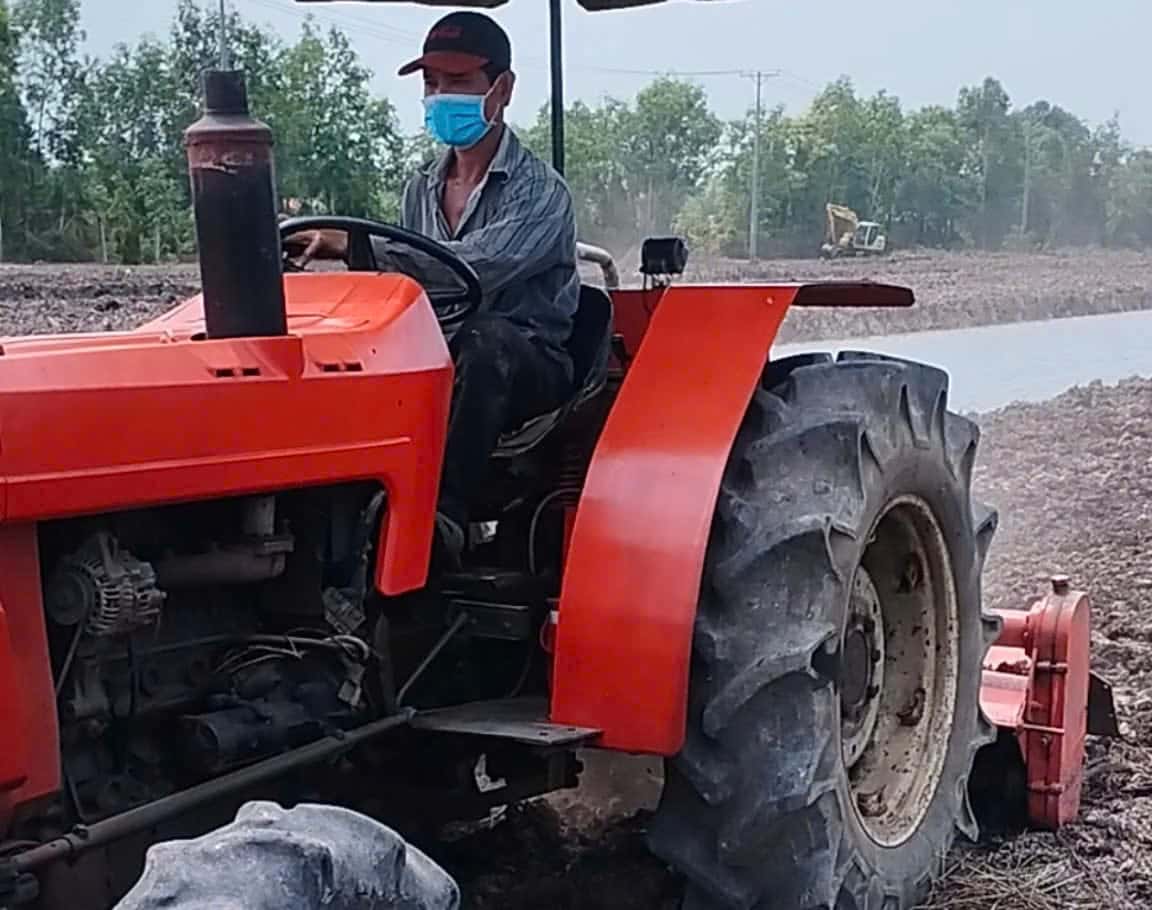
Tilling to remediate the soil 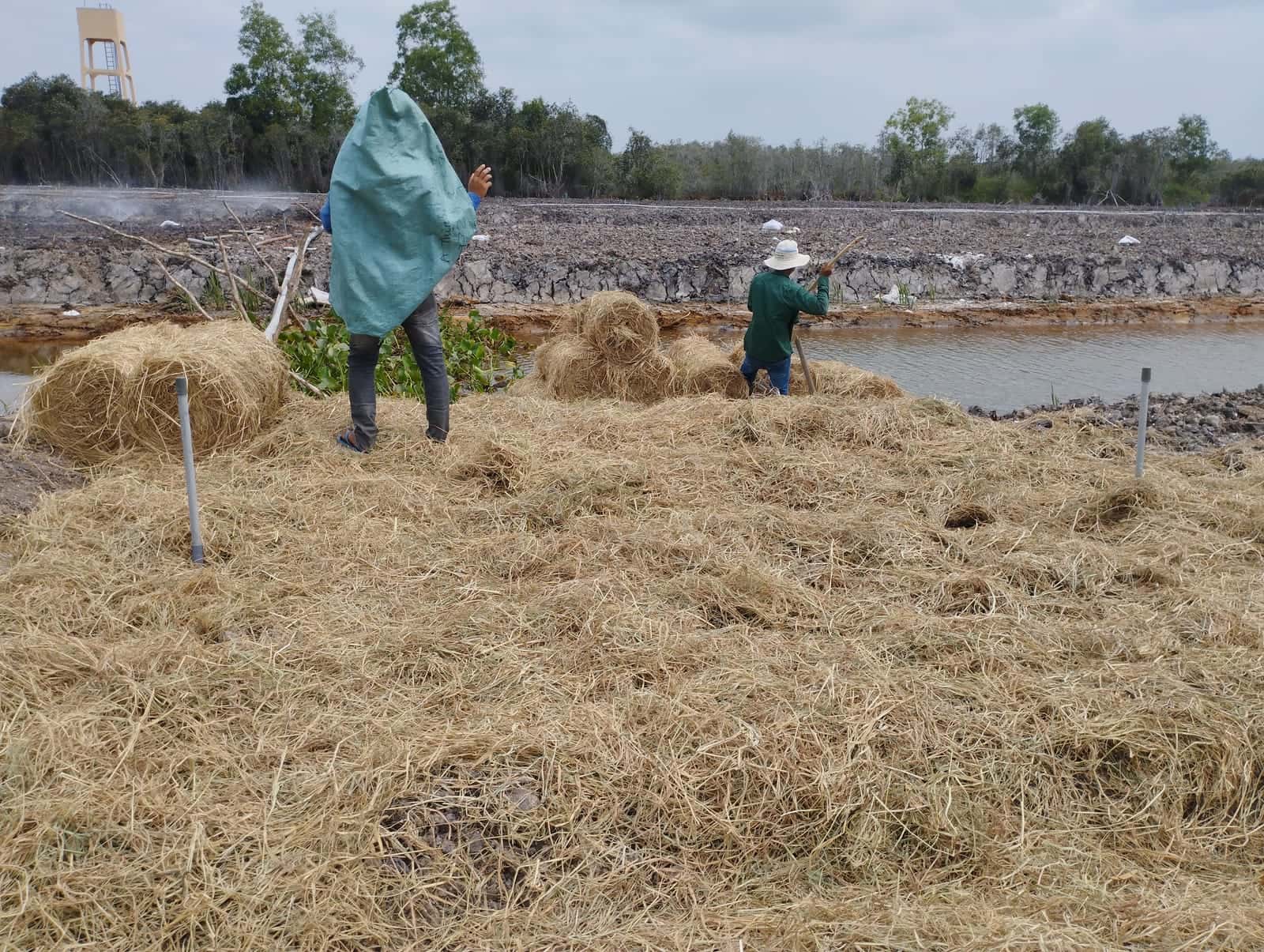
Straw mulching to hold moisture
Stage 3 · Jan–Dec 2025
Stabilising the soil ecosystem
What was done
Adding biochar, planting papaya, red-flesh jackfruit and vegetables. The crops came on well and papaya was near harvest when, in October 2025, a flood larger than the 2024 one overtopped the dyke.
Measured outcome
Almost a total loss, with only the first batch of green papaya sold in time. But earthworms and beneficial insects had increased markedly, and the infrastructure held where it mattered: no bank collapse, no bed erosion. Once the water drained, planting could start again without rebuilding anything.
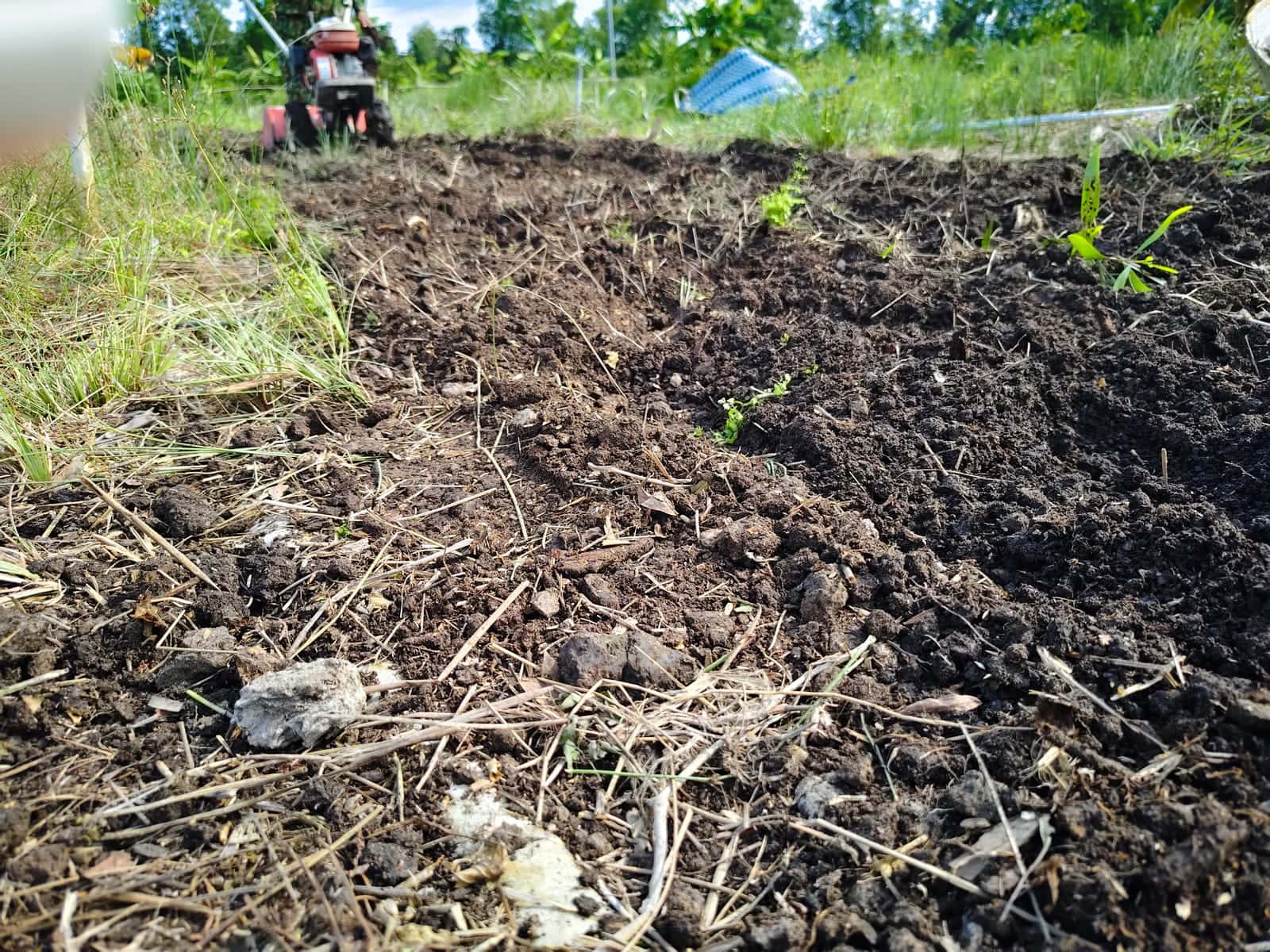
Soil clearly better in colour, structure and organic matter 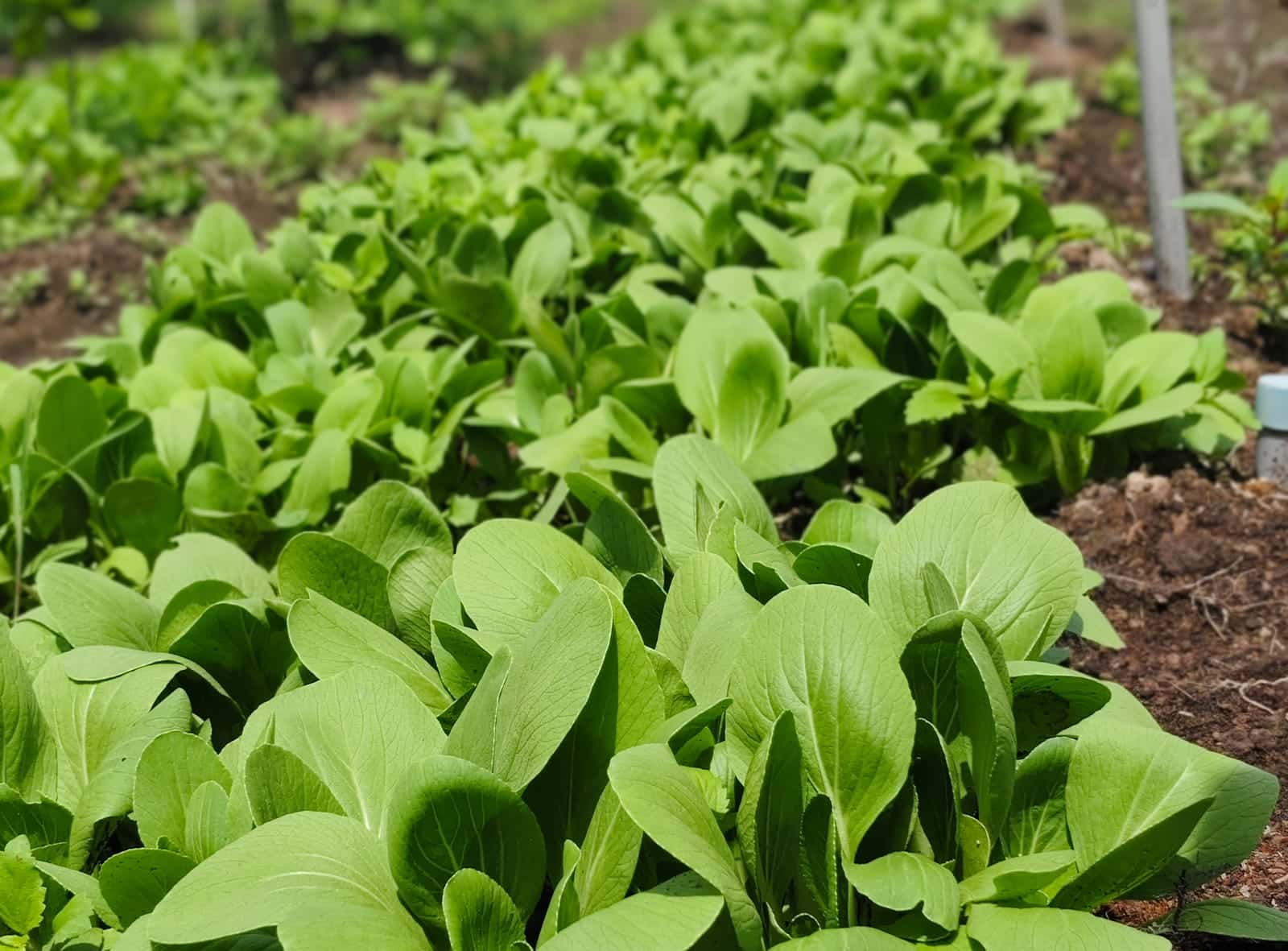
Beds settled in, vegetables doing well 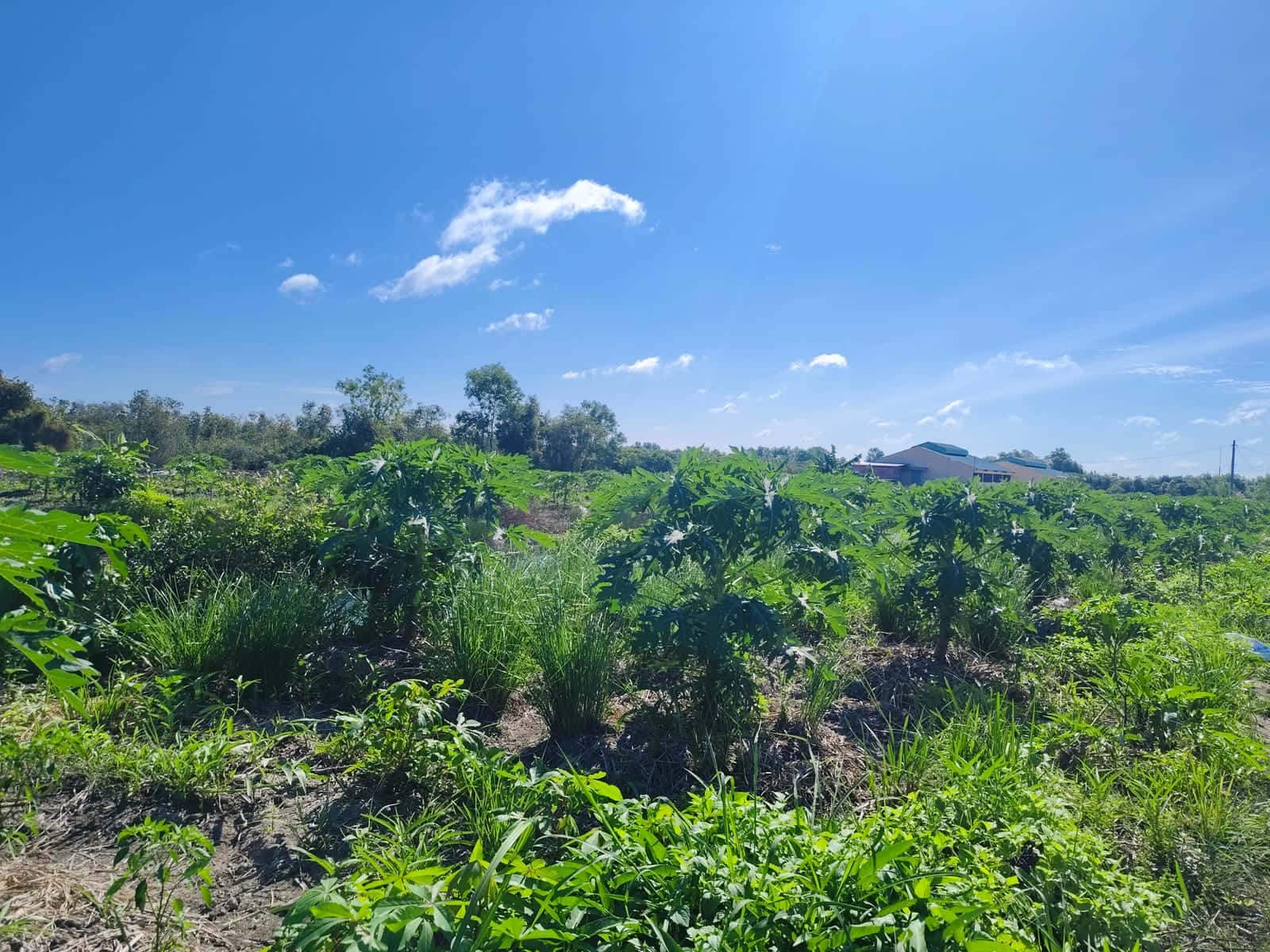
Papaya growing green and strong
Stage 4 · Jan–Jun 2026
Validating production capability
What was done
Planting 800 cucumber and 800 okra plants, plus bitter melon, bottle gourd, luffa, winter melon, winged bean and brown eggplant on the remediated soil.
Measured outcome
Harvested 2,750 kg of produce — the first profitable crop since remediation began.
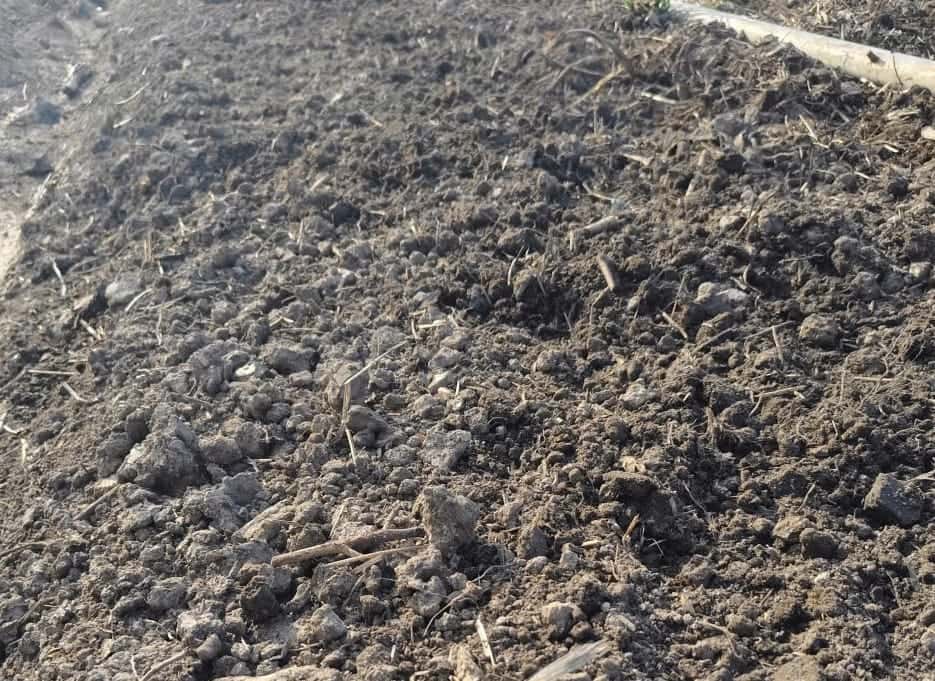
After the flood, the land comes back 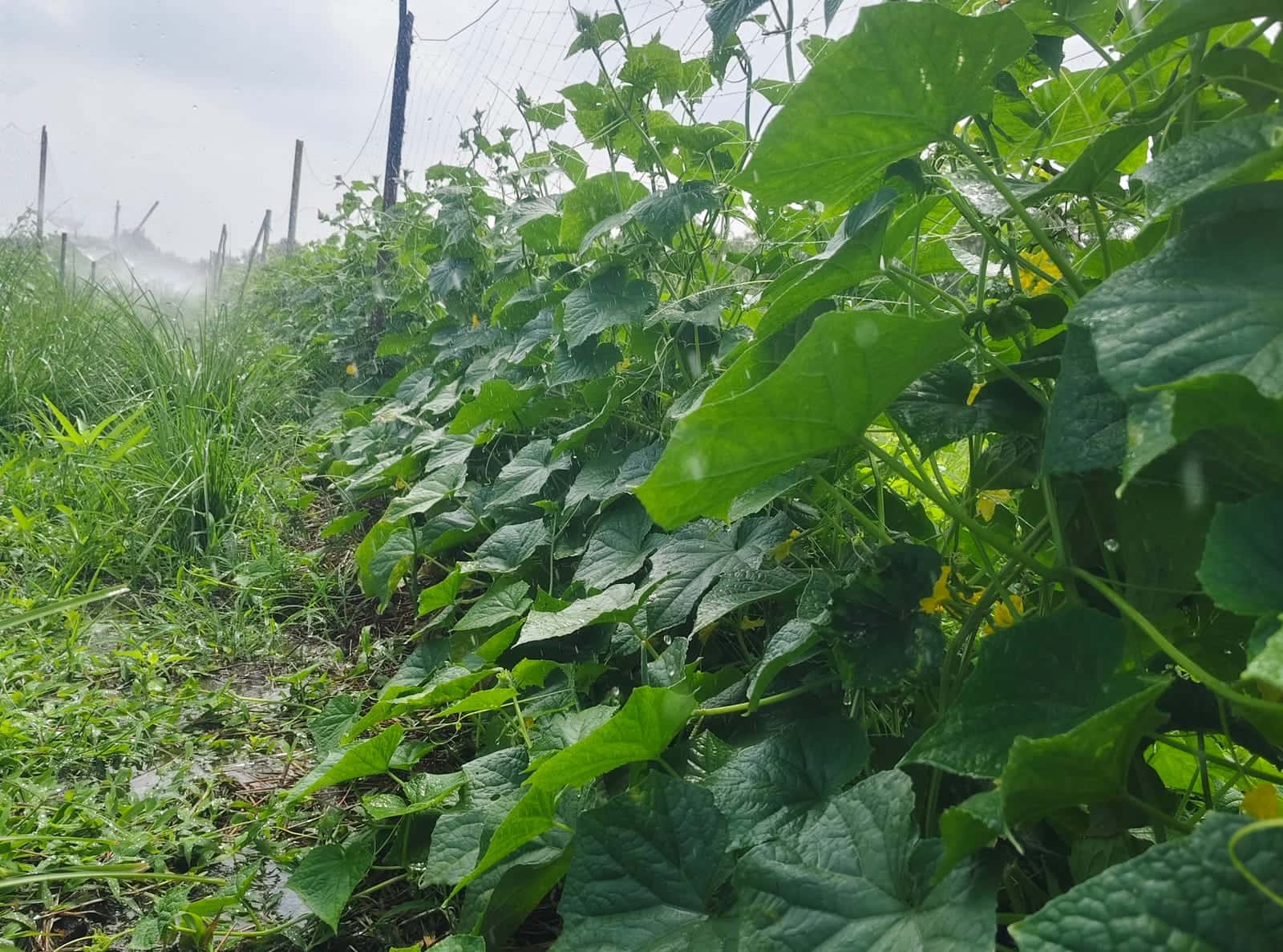
After the flood — the orchard green again